
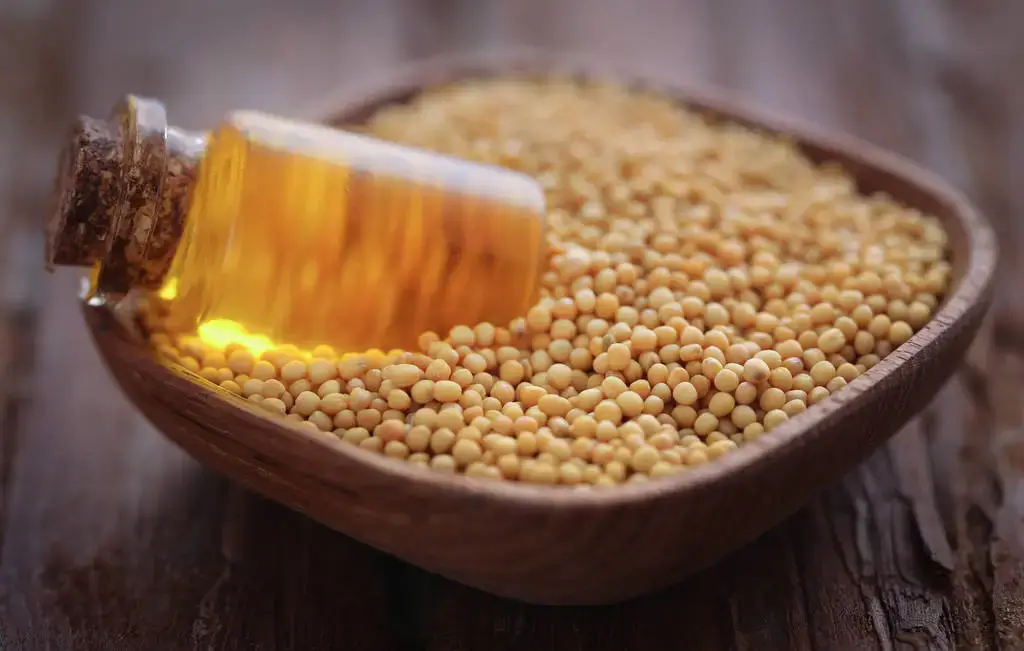
Quick answer: Yes, mustard is generally good for you in moderation. It’s very low in calories and sugar, contains beneficial plant compounds called glucosinolates, and provides small amounts of antioxidants and minerals. The main downside is its sodium content, which can add up if used heavily or by people on a low-salt diet.
Mustard Nutrition Facts (Per Teaspoon, ~5g)
| Nutrient | Amount |
|---|---|
| Calories | 3–5 |
| Fat | 0.2g |
| Carbohydrates | 0.5g |
| Sugar | 0–0.2g |
| Sodium | 55–60mg |
| Protein | 0.2g |
Mustard is one of the lowest-calorie condiments available, making it a popular swap for higher-calorie options like mayonnaise or creamy dressings.
Health Benefits of Mustard
1. Very Low in Calories and Sugar
Compared to ketchup, BBQ sauce, or mayonnaise, plain mustard adds flavor with minimal calories and almost no added sugar, which can help with weight management goals.
2. Contains Antioxidant Compounds
Mustard seeds contain glucosinolates, plant compounds also found in broccoli and cabbage, which have antioxidant properties and have been studied for potential anti-inflammatory effects.
3. Source of Selenium and Magnesium
Mustard seeds naturally contain small amounts of selenium and magnesium, minerals that support thyroid function and muscle health, though the amounts in a typical serving are modest.
4. May Aid Digestion
Some people use mustard to stimulate saliva production, which can support the early stages of digestion.
5. Metabolism-Boosting Properties
Some research suggests compounds in mustard seeds may have a mild thermogenic effect, slightly increasing calorie burn, though the effect is small and shouldn’t be relied on for weight loss.
Potential Downsides of Mustard

1. Sodium Content
Prepared mustard contains added salt for flavor and preservation. While one teaspoon isn’t much, people using mustard generously or who are on a sodium-restricted diet (e.g., for high blood pressure) should be mindful.
2. Added Ingredients in Some Varieties
Honey mustard, spicy varieties, and flavored mustards can contain added sugar, preservatives, or higher sodium than plain yellow mustard. Always check the label.
3. Allergy Risk
Mustard seed is a recognized allergen in many countries and must be labeled on packaged food. Reactions can range from mild to severe in sensitive individuals.
4. Acidic for Sensitive Stomachs
The vinegar content in prepared mustard can aggravate acid reflux or sensitive stomachs in some people.
Is Mustard Good for Weight Loss?
Mustard can support weight loss goals indirectly — not because it burns significant fat, but because it’s a flavorful, near-zero-calorie way to add taste to meals without the extra calories of richer sauces and dressings.
Which Type of Mustard Is Healthiest?
- Yellow mustard — lowest in calories, mildest flavor
- Dijon mustard — slightly tangier, similar nutrition profile
- Whole grain mustard — contains more visible seeds, slightly more fiber
- Honey mustard — added sugar, best used in moderation
- Spicy/brown mustard — similar to yellow, stronger flavor
Plain yellow or Dijon mustard, without added sugar, is generally the healthiest everyday choice.
Frequently Asked Questions
Can I eat mustard every day? Yes, for most people, a teaspoon or two of plain mustard daily is fine and adds minimal calories or sodium. Those on a low-sodium diet should monitor total intake.
Does mustard have any vitamins? Mustard seeds contain small amounts of selenium, magnesium, and antioxidant compounds, though the quantities in a typical serving are modest.
Is mustard better than ketchup? Nutritionally, plain mustard is usually the better choice — it has far less sugar and fewer calories than ketchup, which is often high in added sugar.
Is mustard good for cholesterol or heart health? There’s no strong evidence that mustard directly lowers cholesterol, but using it instead of higher-fat condiments like mayonnaise can support a heart-healthy diet overall.
This article is for educational purposes only and is not a substitute for professional medical or nutritional advice. Consult a registered dietitian or doctor for guidance specific to your health needs.

BRASHnutrition is a nutrition and health education platform led by a Registered Dietitian with an interdisciplinary academic background in dietetics, psychology, and clinical research. The creator holds a BSc in Dietetics, an MA in Psychology, and an MRes in Clinical Research.