
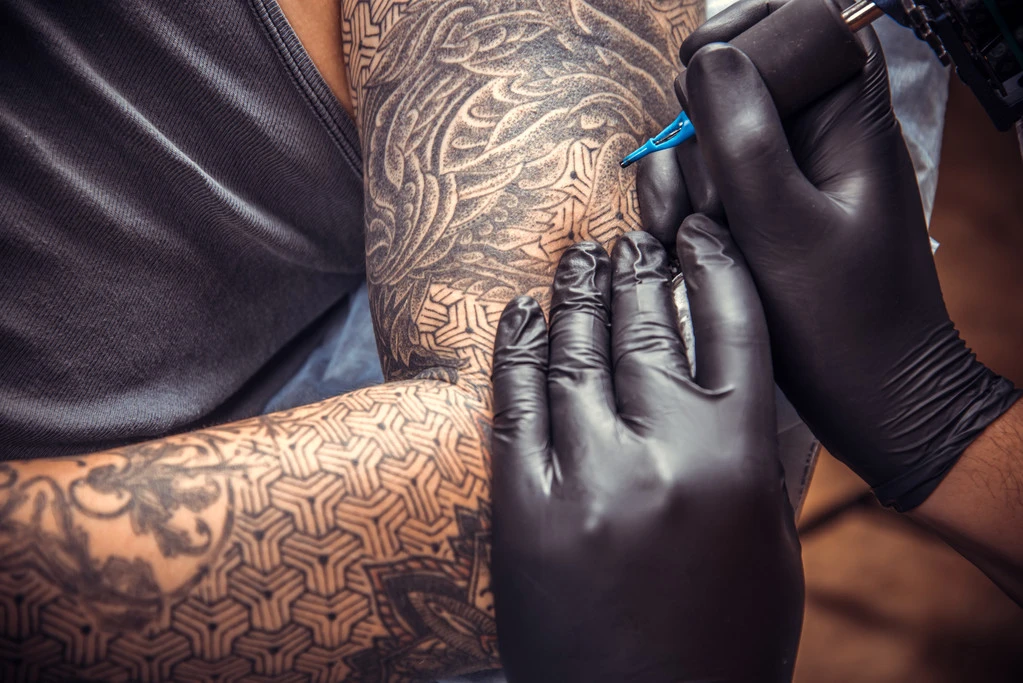
Quick answer: A tattoo typically takes 2 to 3 weeks to heal on the surface and 4 to 6 months to fully heal in the deeper layers of skin. Healing time can vary based on tattoo size, placement, ink saturation, and how well aftercare instructions are followed.
Tattoo Healing Timeline, Day by Day
Days 1–3: Open Wound Stage
The tattoo looks shiny, may ooze plasma or excess ink, and the surrounding skin is often red and swollen. This is essentially an open wound — keeping it clean is critical at this stage.
Days 3–6: Scabbing Begins
A thin layer of scabs or flakes starts to form over the tattoo. Itching typically begins here. Do not pick or scratch — this can pull out ink and cause scarring.
Days 6–14: Peeling Stage
The top layers of skin peel and flake off, similar to a sunburn peeling. The tattoo may temporarily look dull, cloudy, or patchy underneath — this is normal and not a sign the ink is failing.
Days 14–21: Surface Healing Complete
The outer skin layer is typically fully healed, with no more peeling or visible scabbing. The tattoo will look mostly normal, though it may still appear slightly shiny or have a fine, dry texture.
Weeks 3–8: Deeper Healing Continues
While the surface looks healed, the deeper layers of skin (the dermis, where the ink actually sits) are still repairing. Color may look slightly hazy as the skin finishes settling.
Months 2–6: Full Healing
The tattoo reaches its true final color and texture. Skin elasticity and pigment settle completely, and any minor touch-ups (if needed) are usually done after this point.
Factors That Affect Healing Time
- Size and detail — larger or more detailed tattoos take longer to heal than small, simple designs
- Placement — areas with more movement or friction (hands, feet, joints) heal slower than flatter areas (forearm, thigh, back)
- Skin type and health — age, hydration, and overall skin condition affect healing speed
- Aftercare compliance — following cleaning and moisturizing instructions speeds healing and reduces complications
- Sun exposure — unprotected sun exposure can slow healing and fade ink
Tattoo Aftercare Tips for Faster Healing
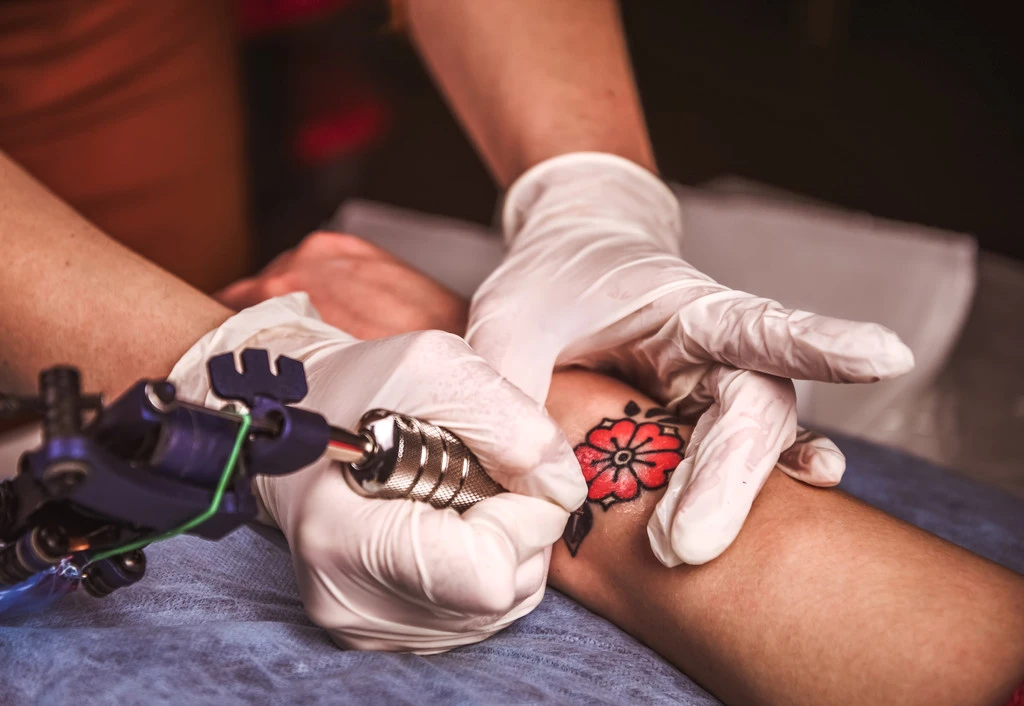
- Keep it clean — wash gently with mild, fragrance-free soap and lukewarm water 1–2 times daily.
- Pat dry, don’t rub — use a clean paper towel or soft cloth.
- Moisturize lightly — apply a thin layer of fragrance-free lotion or tattoo-specific aftercare balm.
- Avoid soaking — skip swimming, baths, and hot tubs until fully healed.
- Don’t pick scabs — let flaking happen naturally to avoid scarring or ink loss.
- Wear loose clothing — avoid friction over the tattooed area.
- Protect from sun — once healed, always use SPF on tattoos to prevent fading.
Signs of Normal Healing vs. Infection
| Normal Healing | Signs of Infection |
|---|---|
| Mild redness, fading within days | Redness that spreads or worsens after day 3–4 |
| Light itching | Increasing pain, swelling, or warmth |
| Clear or slightly colored ooze (first 1–2 days) | Yellow/green pus or a foul smell |
| Peeling/flaking skin | Fever or chills |
If you notice signs of infection, contact a doctor — tattoo infections can usually be treated but shouldn’t be ignored.
Frequently Asked Questions
Is it normal for a tattoo to itch while healing? Yes, mild to moderate itching is a normal part of the scabbing and peeling stages. Avoid scratching — pat or gently tap the area instead, or apply a thin layer of moisturizer.
Can I exercise while my tattoo is healing? Light activity is usually fine, but avoid heavy sweating, swimming, or activities that stretch or rub the tattooed skin for at least 2 weeks.
Why does my tattoo look faded or cloudy while healing? A hazy or dull appearance during the peeling stage is normal and temporary. The true color typically becomes clear once the deeper skin layers finish healing, usually within a few months.
How do I know if my tattoo is fully healed? The surface is usually healed within 2–3 weeks (no more peeling or scabbing), but full healing in the deeper skin layers takes 4–6 months, after which the color and texture are fully settled.
This article is for educational purposes only and is not a substitute for professional medical advice. If your tattoo shows signs of infection or isn’t healing as expected, consult a doctor or your tattoo artist.

Dr. Barbara van der Westhuizen is a dermatologist based in Cape Town, South Africa, with a focus on evidence-based skin health, mole mapping, skin cancer awareness, and dermatology. Her approach emphasizes practical, minimalist skincare while helping patients better understand skin health and the importance of monitoring changes in moles and skin lesions.