Hormones play an important role in almost every major function of the body. They influence your energy, mood, metabolism, sleep, reproductive health, appetite, and more. When hormone levels become imbalanced, the symptoms can sometimes be subtle and easy to overlook.
While experiencing one of these symptoms does not automatically mean you have a hormone imbalance, a combination of persistent changes may be worth discussing with a healthcare professional.
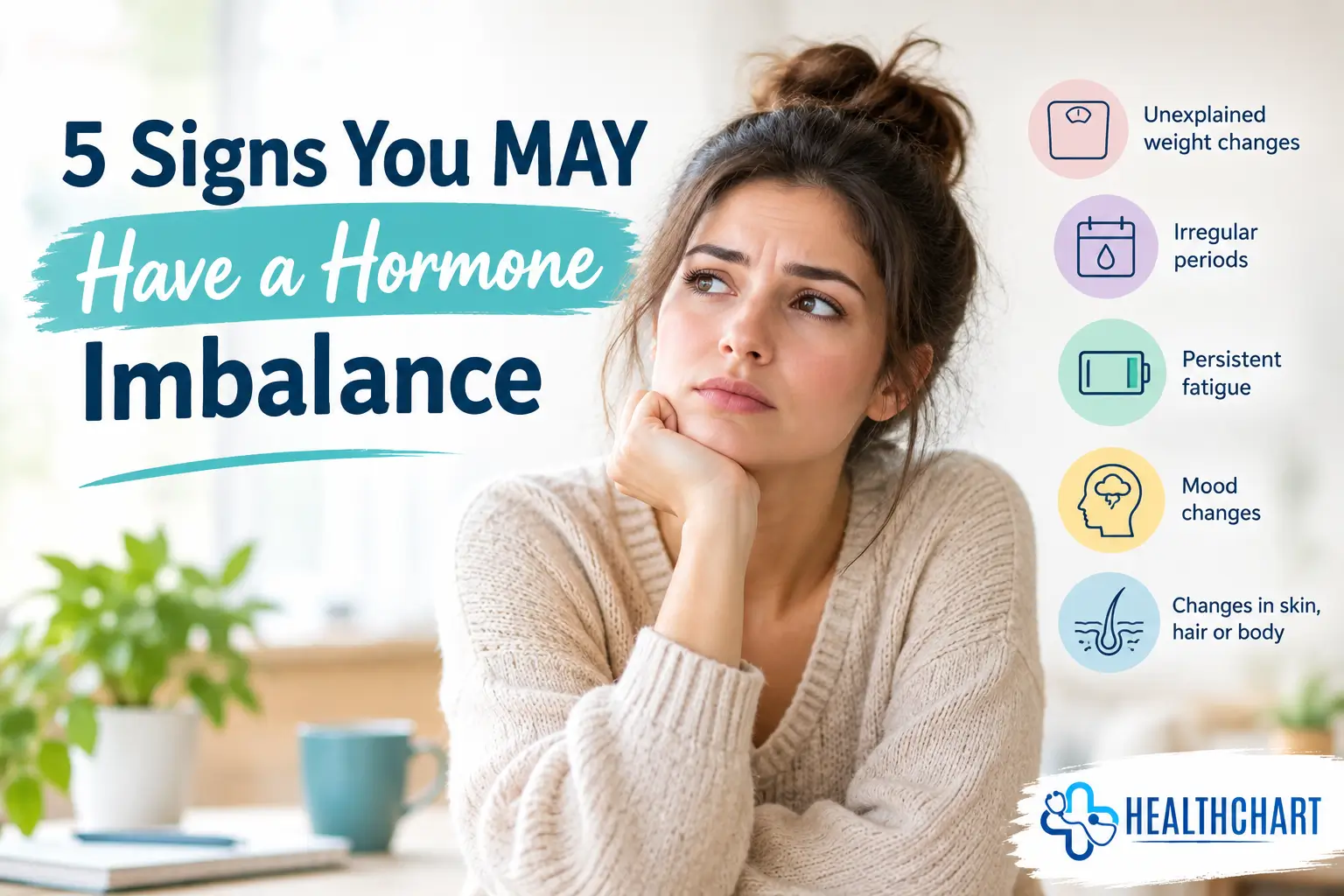
1. Unexplained Changes in Weight
Unexpected weight gain or difficulty losing weight can sometimes be associated with hormonal changes. Hormones involved in metabolism, appetite, blood sugar regulation, and thyroid function can all influence body weight.
However, weight changes can have many other causes, including diet, activity levels, sleep, stress, medications, and underlying health conditions.
2. Changes in Your Menstrual Cycle
For people who menstruate, hormonal fluctuations can affect the timing, duration, and intensity of periods.
Irregular periods, unusually heavy or light bleeding, missed periods, or significant changes from your usual cycle may be worth discussing with a healthcare professional. Conditions such as polycystic ovary syndrome (PCOS), thyroid disorders, and other factors can affect menstrual cycles.
3. Persistent Fatigue
Feeling tired from time to time is normal, but persistent or unexplained fatigue may deserve attention.
Hormones such as thyroid hormones and cortisol are involved in energy regulation and the body’s response to stress. At the same time, fatigue can result from many different causes, including insufficient sleep, anemia, nutritional deficiencies, stress, infections, and other medical conditions.
4. Mood Changes
Hormonal changes can influence the brain and nervous system, potentially affecting mood, concentration, and emotional wellbeing.
Increased irritability, anxiety, low mood, or noticeable mood swings may occur alongside hormonal changes. But these symptoms are not specific to hormone imbalance, so it is important not to assume hormones are the cause without appropriate evaluation.
5. Changes in Skin, Hair, or Body
Hormonal changes can sometimes show up through physical changes such as increased acne, changes in hair growth or hair loss, or alterations in skin condition.
Androgens, thyroid hormones, estrogen, and other hormones can affect the skin and hair. Sudden or significant changes should be evaluated rather than automatically attributed to a “hormone imbalance.”
When Should You Seek Professional Advice?
If several of these symptoms are occurring together, are persistent, or represent a significant change from your normal health, consider speaking with a qualified healthcare professional.
Rather than relying on symptoms alone, a clinician can consider your medical history, medications, lifestyle, menstrual history where relevant, and—when appropriate—laboratory testing to determine whether a specific hormonal or other medical condition may be involved.
Final Thought
Your body can give you clues when something has changed, but symptoms alone cannot diagnose a hormone imbalance. Paying attention to persistent changes and getting appropriate medical advice can help identify the actual cause and ensure you receive the right treatment.
Important: “Hormone imbalance” is a broad term, and these symptoms can have many different causes. This article is for educational purposes and is not a medical diagnosis.

Dr. Ashlee O’Shell, MD, FACOG is an obstetrician-gynecologist based in Bloomfield Hills, Michigan. She provides personalized women’s healthcare across different stages of life, with a particular focus on OB/GYN care and menopause health. She is also involved in medical advisory work and promotes individualized, patient-centered approaches to women’s wellness.